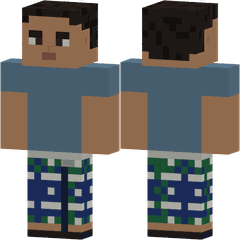
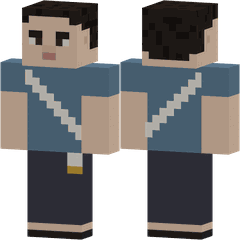
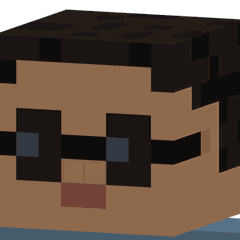
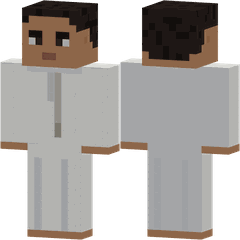
Every garment, head covering, shoe, piece of jewelry and marking in Scan2Skin 3D, A to Z: what each one is, where it is worn and what it can mean.
Updated October 12, 2026
Scan2Skin 3D can dress a skin in clothes, head coverings, shoes, jewelry and markings worn around the world. This page lists every one of them from A to Z, with a picture of how the app draws it, a few sentences on what it is, where it is worn and what it can mean, and where to find it in the app.
Many of these things carry meaning: some are part of a faith, some are worn for weddings, festivals or remembrance, and some are simply everyday clothes for millions of people. That is why the app never guesses them from photos: the person chooses what they wear, in their own colors (see clothing from around the world).
About these entriesEach entry is a short summary, not the whole story: most of these are worn by many communities, in many styles, and their meaning differs from person to person. We wrote them from the sources listed under each one. If something is missing or not right, please tell us at z.farm.technologies@gmail.com.
A
Agbada
GarmentAlso called riga (Hausa), boubou / mbubb (Wolof), grand boubou
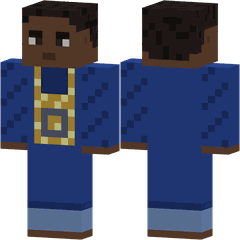
The agbada is a large, flowing robe with very wide sleeves, worn by Yoruba men in southwestern Nigeria and Benin. It is part of an outfit that also includes an inner shirt, trousers and a cap. Ceremonial agbadas are often made of costly handwoven cloth and richly embroidered, and the quality of the cloth, embroidery and tailoring shows the wearer's taste and standing. Similar wide robes are worn across West Africa, such as the riga of the Hausa and the boubou of the Wolof.
In Scan2Skin 3D: "Agbada" under "What are you wearing?"; choose the gold (flat or metallic). Its colors start from the photos and can be changed. See it on a free skin.
Sources: Agbada, Encyclopedia of Clothing and Fashion (Babatunde Lawal), via Encyclopedia.com; Agbádá (man's ceremonial robe), The Metropolitan Museum of Art. Read October 12, 2026.
Anarkali
GarmentAlso called anarkali kurta, anarkali suit
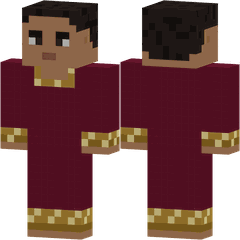
An anarkali is a long kurta with a fitted top that opens into a full, flared skirt, usually worn with slim churidar trousers and a dupatta. Its shape carries the influence of Mughal court fashion, and festive versions are often decorated with zari, a gold or silver metallic thread. It is a popular choice for weddings, Eid and other celebrations. The name comes from a legendary figure of the Mughal court whose story historians consider fictional.
In Scan2Skin 3D: "Anarkali" under "What are you wearing?"; choose the gold (metallic or flat). Its colors start from the photos and can be changed.
GarmentAlso called African wax print, Dutch wax, wax print
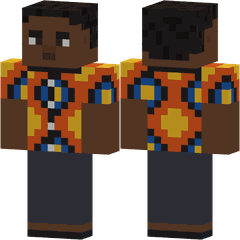
Ankara, also called African wax print or Dutch wax, is a brightly patterned cotton cloth. It grew out of 19th-century Dutch efforts to copy Indonesian batik by machine. Indonesian buyers rejected the results, but from the 1890s West African customers embraced the cloth, and factories mainly in the Netherlands and Britain made designs to suit their tastes. West African traders gave popular prints names, often proverbs, and the fabric is now closely tied to African fashion and identity.
In Scan2Skin 3D: "Wax-print shirt" under "What are you wearing?". Its colors start from the photos and can be changed. See it on a free skin.
Editor stampAlso called payal, pajeb, paizeb, ghungroo (dance bells)
Anklets are bands or chains worn around the ankle. They have been worn for thousands of years in many places, from ancient Persia to the Arabian Peninsula and South Asia. In South Asia a chain anklet is called a payal; it is traditionally made of silver and often hung with small bells that jingle as the wearer walks. Women wear payal for adornment, and a pair can be a gift linked to marriage, while classical dancers wear heavier belled anklets called ghungroo.
In Scan2Skin 3D: the "Anklets" stamp in the pixel editor, flat or in 3D on the outer layer. The editor is Pro in the apps and free on this website.
The ao dai is Vietnam's national dress: a long, fitted tunic with a stand-up collar and slits at the sides that divide it into front and back panels, worn over loose trousers. It grew out of the long tunics and trousers adopted under the Nguyen lords in the 17th and 18th centuries, and it was restyled in the 1930s. Today women wear it most, including as a high school uniform and for weddings and celebrations, but men also wear it on some formal and official occasions.
In Scan2Skin 3D: "Ao dai" under "What are you wearing?". Its colors start from the photos and can be changed. See it on a free skin.
Bangles are rigid bracelets, made of glass, metal, shell or other materials, that are often worn several at a time so they stack and chime on the wrist. In India they are worn very widely today, although in the past they were mainly a sign of a married woman. They still play a big part in weddings: brides traditionally wear special sets, such as the red glass bangles of West Bengal or the white shell and red coral bangles worn by many married Bengali women.
In Scan2Skin 3D: the "Bangles" stamp in the pixel editor, flat or in 3D on the outer layer. The editor is Pro in the apps and free on this website. See it on a free skin.
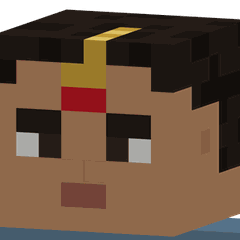
A bindi is a dot or small mark worn on the forehead between the eyebrows. Traditionally red or maroon and made from powder such as kumkum, it is now often a stick-on decoration in many colors and shapes. In Hindu, Jain and Buddhist practice it can carry religious meaning, linked to the inner "third eye," and a red bindi can show that a woman is married. Across South Asia and its diaspora it is also simply a fashion accessory, worn by married and unmarried women and by women of many faiths.
In Scan2Skin 3D: the "Bindi" stamp in the pixel editor in 4 styles (centered, one dot, on the forehead or large). The editor is Pro in the apps and free on this website. See it on a free skin.
Sources: Bindi, Encyclopaedia Britannica; Bindis, Pitt Rivers Museum, University of Oxford (Body Arts); Wearing a teep is my choice, The Daily Star (Bangladesh). Read October 12, 2026.
C
Calavera face paint
Editor stampAlso called skull face paint, La Catrina, sugar skull makeup
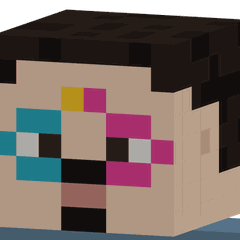
Skull face paint in the style of a calavera or La Catrina is linked to Día de Muertos (Day of the Dead), held in Mexico around November 1 and 2. The holiday honors loved ones who have died: families build altars with flowers, candles and favorite foods to welcome their spirits home. La Catrina, an elegantly dressed skeleton, began as a satirical print by José Guadalupe Posada around 1912; Diego Rivera later helped name her and painted her in a famous mural. Día de Muertos is not a Mexican Halloween.
In Scan2Skin 3D: the "Skull face paint" stamp in the pixel editor in 2 styles (accents only or everywhere). The editor is Pro in the apps and free on this website.
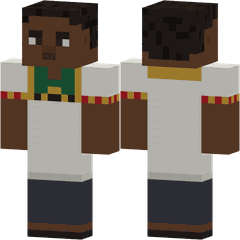
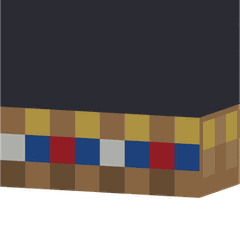
A dashiki is a loose pullover tunic with roots in West Africa; its name comes from a Yoruba word for a short tunic, which was itself borrowed from Hausa. Dashikis are often decorated with embroidery or printed borders around the neckline, cuffs and hem, and in West Africa similar tunics are worn with matching trousers as everyday clothing. In the 1960s the dashiki became popular in the United States as a symbol of Black pride, African heritage and unity during the civil rights era.
In Scan2Skin 3D: "Dashiki" under "What are you wearing?"; choose the gold (flat or metallic). Its colors start from the photos and can be changed.
Sources: dashiki, Fashion History Timeline, Fashion Institute of Technology (SUNY); Dashiki, Encyclopedia of Clothing and Fashion (Norma H. Wolff), via Encyclopedia.com. Read October 12, 2026.
Dhoti
GarmentAlso called dhotar, dhuti, veshti (related)
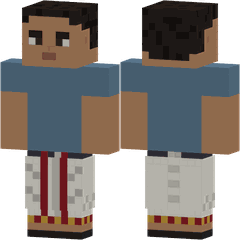
A dhoti is a long, unstitched cloth wrapped around the waist, with one end passed between the legs and tucked in, so it hangs in loose, trouser-like folds. It is a traditional garment for men in many parts of India, where it goes by different regional names and draping styles. Everyday dhotis are usually white cotton, often with a colored border, while silk ones are kept for special occasions. It is commonly worn with a kurta or shirt.
In Scan2Skin 3D: "Dhoti" under "What are you wearing?"; choose the gold (flat or metallic). Its colors start from the photos and can be changed.
Sources: Dhoti, Encyclopaedia Britannica; Dhoti, Impart Encyclopedia of Art (Museum of Art & Photography, Bengaluru). Read October 12, 2026.
Dirndl
Garment
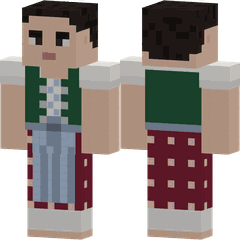
The dirndl is a traditional dress from the Alpine regions of Bavaria in Germany and of Austria, made up of a fitted bodice and skirt, a blouse and an apron. It grew out of rural women's workwear, and in the 1800s city dwellers took it up as summer holiday fashion. Today it is worn at festivals and on other festive occasions. By popular custom, the apron bow tied on the left suggests single, on the right taken, and at the back widowed, but this is not a rule.
In Scan2Skin 3D: "Dirndl" under "What are you wearing?"; choose the apron bow (front, left, right or back). Its colors start from the photos and can be changed. See it on a free skin.
The djellaba is a long, loose robe with a pointed hood, worn in Morocco and elsewhere in North Africa's Maghreb region, including Algeria. The hood can be pulled up or left hanging down the back. Traditionally a men's garment, often made of wool, it was widely taken up by Moroccan women around the time of independence in 1956. Today people of all ages wear djellabas as everyday clothing and as fashion, in fabrics ranging from plain wool to silk and linen.
In Scan2Skin 3D: "Djellaba" under "What are you wearing?"; choose the hood (down or up). Its colors start from the photos and can be changed. See it on a free skin.
Editor stampAlso called studs, hoops, jhumka, jhumki
Earrings are worn in almost every culture, by women and, in many places, by men. They come in many forms, from small studs to hoops and dangling drops. A jhumka is a South Asian earring with a bell-shaped drop, often decorated with beads or pearls. In India, earrings have traditionally been an important part of a married woman's jewelry.
In Scan2Skin 3D: the "Earrings" stamp in the pixel editor in 3 styles (stud, hoop or jhumka), flat or in 3D on the outer layer. The editor is Pro in the apps and free on this website. See it on a free skin.
Sources: Earring, Encyclopaedia Britannica; Earring, One of a Pair, The Metropolitan Museum of Art. Read October 12, 2026.
G
Gele
Head coveringAlso called head tie, head wrap
A gele is a woman's head tie with roots in Yoruba culture in southwestern Nigeria, now worn across Nigeria and in other parts of West Africa. A length of cloth, often handwoven aso-oke, is wrapped, folded and pleated into a large, sculptural shape, usually for special occasions such as weddings and parties, with a matching blouse and wrapper skirt. Each gele is tied fresh, so the style is a personal creative expression, and in Yoruba thought a beautifully dressed head honors the wearer's inner self.
In Scan2Skin 3D: "Gele" under "A head covering?". Its colors start from the photos and can be changed. See it on a free skin.
Sources: Yoruba Complete, Cooper Hewitt, Smithsonian Design Museum; Aso-Oke head tie, Google Arts & Culture / The Centenary Project, Lagos (Pan-Atlantic University); Cultural Traditions: The Gele, New Orleans Magazine (MyNewOrleans.com). Read October 12, 2026.
Geta
Shoes
Geta are Japanese sandals with a flat wooden platform raised off the ground by wooden supports, usually two, called "teeth." A cloth thong passes between the big toe and the second toe. Geta are a classic match for the cotton yukata and are also worn with everyday clothes, and their height helps keep feet dry in rain or snow. They are often worn barefoot, but they can be paired with tabi, white cotton socks with a split toe that fits the thong.
In Scan2Skin 3D: "Geta and tabi" under "Shoes". Its colors start from the photos and can be changed. See it on a free skin.
Sources: Traditional Japanese footwear: Geta, DITSONG: National Museum of Cultural History (South Africa); Pair of geta, Victoria and Albert Museum; Tabi, Victoria and Albert Museum. Read October 12, 2026.
H
Hanbok
Garment
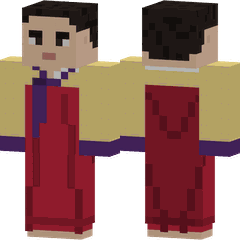
Hanbok is the traditional clothing of Korea. A woman's hanbok pairs a short jacket called a jeogori, tied at the front with a ribbon bow (goreum), with a long, full skirt called a chima; men wear the jeogori with trousers called baji. The style most familiar today took shape during the Joseon Dynasty (1392 to 1910). Hanbok is now worn mostly for special occasions such as Lunar New Year, Chuseok, weddings and first birthdays, and in 2022 South Korea recognized the culture of wearing it as national intangible heritage.
In Scan2Skin 3D: "Hanbok" under "What are you wearing?". Its colors start from the photos and can be changed. See it on a free skin.
Henna is a reddish-brown dye made from the leaves of the henna plant and painted onto the skin in patterns that fade after a few weeks; in South Asia the art is called mehndi. It has been used for thousands of years across North Africa, the Middle East and South Asia, and people of many faiths see it as a sign of joy. Brides often have their hands and feet decorated before the wedding, and many women wear henna for festivals such as Eid, Diwali and Karva Chauth.
In Scan2Skin 3D: the "Henna" stamp in the pixel editor in 3 styles (back of the hand, palm or hand and forearm). The editor is Pro in the apps and free on this website. See it on a free skin.
A hijab is a headscarf that covers the hair and neck while leaving the face uncovered. Many Muslim women around the world wear one, often as an expression of faith and modesty, and for some it is also part of their identity. Practice varies widely: scholars interpret the religious guidance in different ways, styles differ from country to country, and whether, when and how to wear it is a personal decision for many women.
In Scan2Skin 3D: "Hijab" under "A head covering?"; choose the fabric (plain or dots and a trim). Its colors start from the photos and can be changed. See it on a free skin.
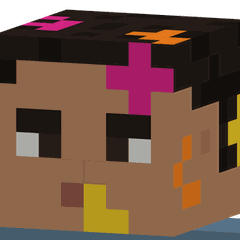
Holi is a Hindu spring festival celebrated in India and Nepal, and by communities around the world, on the full-moon day of the month of Phalguna, in February or March. People throw colored powder, called gulal, and colored water at each other until faces and clothes are bright with color. The festival welcomes spring and celebrates the triumph of good over evil, and for a day it sets aside differences of age, gender and status.
In Scan2Skin 3D: the "Holi colors" stamp in the pixel editor in 2 styles (face and hair or everywhere). The editor is Pro in the apps and free on this website.
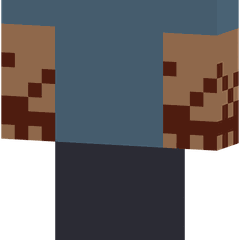
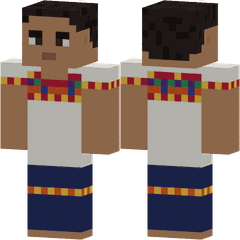
A huipil is a loose tunic worn by Indigenous women in Mexico and Central America, especially among Maya peoples in Guatemala and southern Mexico. It is usually made from rectangles of cloth, often handwoven on a backstrap loom and decorated with brocade or embroidery, and fine examples can take months to make. Designs, colors and shapes differ from town to town and can show where a woman comes from, so no single huipil represents everyone. Similar garments have been worn for over a thousand years.
In Scan2Skin 3D: "Huipil" under "What are you wearing?". Its colors start from the photos and can be changed. See it on a free skin.
The kara is a steel bracelet and one of the five Sikh articles of faith, often called the five Ks, kept by Sikhs who have been formally initiated. Its unbroken circle, with no beginning or end, symbolizes the eternal nature of God, and it reminds the wearer of their commitment to God and to doing right. Many Sikhs who are not initiated wear one too, usually on the right wrist. It is an article of faith, not jewelry.
In Scan2Skin 3D: the "Kara" stamp in the pixel editor, flat or in 3D on the outer layer. The editor is Pro in the apps and free on this website.
Head coveringAlso called kufiya, ghutra, shemagh, hatta
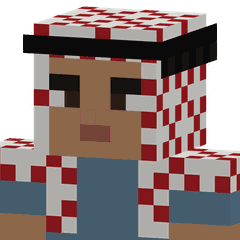
The keffiyeh is a square cotton headscarf worn by men in many parts of the Arab world, often held in place by a black cord called an agal. It began as practical protection from sun, heat and blowing sand, especially among Bedouin communities. Colors and patterns vary by place: plain white and red-and-white checks are common in Saudi Arabia and other Gulf countries, while the black-and-white pattern has become closely associated with Palestinians over the past century.
In Scan2Skin 3D: "Keffiyeh" under "A head covering?"; choose the layer (flat or outer layer (3d)). Its colors start from the photos and can be changed. See it on a free skin.
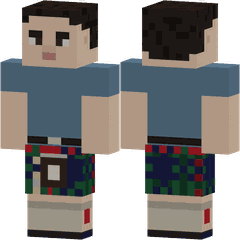
The kilt is a wrapped garment of tartan, a woolen cloth woven in colored stripes and checks, worn around the waist as part of Highland dress, often seen as Scotland's national costume. A complete outfit usually adds a sporran (Gaelic for 'purse'), a small pouch worn at the front, along with a kilt pin. After the 1746 Battle of Culloden the British government banned tartan for a time; it was revived in the 1800s. Kilts are worn today at weddings, ceilidh dances and Highland games.
In Scan2Skin 3D: "Kilt" under "What are you wearing?". Its colors start from the photos and can be changed. See it on a free skin.
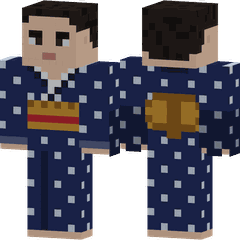
The kimono is a traditional Japanese robe, usually made of silk, cotton or wool, and held closed by a long sash called an obi. It is always wrapped left side over right; the reverse, right over left, is used only when dressing a person who has died. Today the kimono is mostly worn for formal events such as weddings and tea ceremonies, usually with split-toe tabi socks, while the lighter cotton yukata is popular at summer festivals.
In Scan2Skin 3D: "Kimono or yukata" under "What are you wearing?"; choose the fabric (dots or plain). Its colors start from the photos and can be changed. See it on a free skin.
Head coveringAlso called yarmulke, skullcap, kippot (plural)
A kippah (Hebrew) or yarmulke (Yiddish) is a small, round cap worn by Jews as a sign of reverence for God. The Torah does not command it; it is a custom that dates back to Talmudic times, and many religious authorities treat it as required. In Orthodox communities, men and boys usually wear one at all times, while others wear one for prayer, study and visits to a synagogue. In some non-Orthodox communities women wear them too. Kippot come in many styles, including black velvet, leather and crocheted.
In Scan2Skin 3D: "Kippah" under "A head covering?"; choose the style (plain or crochet). Its colors start from the photos and can be changed.
Editor stampAlso called kajal, surma, al-kahal, kuhl
Kohl is a dark eyeliner with many names, including kajal in South Asia and surma. People have lined their eyes with it for thousands of years: in ancient Egypt both men and women wore it, for beauty and to shield the eyes from the sun's glare. It is still used across South Asia, the Middle East and North Africa, and in some families a little is put on young children to ward off the evil eye. Some traditional kohl products contain lead, and the US FDA warns against using them.
In Scan2Skin 3D: the "Kohl" stamp in the pixel editor in 4 styles (soft line, wing, line and wing or solid line). The editor is Pro in the apps and free on this website.
A kufi is a brimless, rounded cap. In West Africa it is a traditional men's hat that has been worn for centuries: many Muslim men wear one, especially for daily prayers, but people of various faiths now wear it as part of West African dress, often with a flowing robe such as the agbada. In the United States, many African American men wear a kufi as part of traditional clothing that honors African heritage, for example during Kwanzaa celebrations.
In Scan2Skin 3D: "Kufi" under "A head covering?"; choose the style (plain or tall with a band). Its colors start from the photos and can be changed. See it on a free skin.
GarmentAlso called Lederhose (singular), Krachlederne
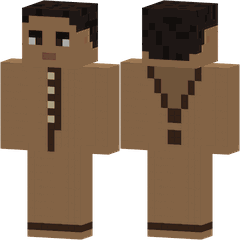
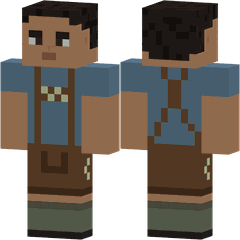
Lederhosen are leather shorts or knee breeches, typically worn with suspenders, from the Alpine regions of Bavaria and Austria. Made from deerskin, goatskin or cowhide, they began as hardwearing clothes for hunters, woodcutters and herders. In the 1800s the Bavarian royal family promoted traditional dress as part of a shared identity, and in 1883 the first Bavarian costume association was founded to keep the custom alive. Today they are worn at festivals such as Munich's Oktoberfest, and a well-worn pair is prized.
In Scan2Skin 3D: "Lederhosen" under "What are you wearing?". Its colors start from the photos and can be changed. See it on a free skin.
A maang tikka is a head ornament: a chain or pin runs along the parting of the hair and holds a pendant that rests at the center of the forehead. It is a traditional part of bridal jewelry in South Asia, and many women also wear one for festivals and other special occasions. Forehead pendants of this kind have been worn in the region since at least the 1700s, in styles ranging from small gold pieces to elaborate jeweled designs.
In Scan2Skin 3D: the "Maang tikka" stamp in the pixel editor, flat or in 3D on the outer layer. The editor is Pro in the apps and free on this website.
Sources: Maang Tikka, INTACH (Indian National Trust for Art and Cultural Heritage) ICH Archive; Tikka, Hackney Museum; Head Ornament, Qatar Museums. Read October 12, 2026.
Moccasins
Shoes
Moccasins are soft shoes, traditionally of tanned hide such as deerskin, made by Indigenous peoples across North America. There is no single moccasin: each nation and region has its own construction and decoration, from the gathered 'pucker toe' style of Eastern Woodland peoples such as the Narragansett to the heavily beaded moccasins of the Plains. Everyday pairs are practical, while finely decorated ones may be made for ceremonies. Many Indigenous people still make and wear moccasins today as a sign of identity and family ties.
In Scan2Skin 3D: "Moccasins" under "Shoes". Its colors start from the photos and can be changed. See it on a free skin.
Mojaris are handmade slip-on leather shoes, often richly embroidered, with a long tradition in Rajasthan, India. In Punjab the same kind of shoe is called a jutti, and in Multan, Pakistan, a khussa. Many have an upturned, curled toe, which local tradition likens to a twirled mustache. Once everyday footwear for village men and women, ornate pairs embroidered with gold thread are now especially popular for weddings and festivals.
In Scan2Skin 3D: "Mojari" under "Shoes". Its colors start from the photos and can be changed. See it on a free skin.
A nath is a large nose ring, often made of gold and set with pearls or colored stones. Heavier styles are held up by a fine chain fastened into the wearer's hair. In parts of South Asia the nath is an important piece of bridal jewelry, worn by both Hindu and Muslim brides, and married women have traditionally worn one, often in the left nostril. Its shape and decoration differ from region to region.
In Scan2Skin 3D: the "Nath with chain" stamp in the pixel editor, flat or in 3D on the outer layer. The editor is Pro in the apps and free on this website.
Editor stampAlso called mangalsutra, thali, minnu, collar necklace, lei
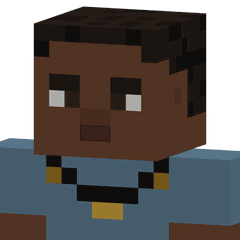
The app offers three necklaces. The mangalsutra, meaning "auspicious thread," is a chain of black beads, usually with gold and a pendant, that a groom ties around the bride's neck in many Hindu weddings; she then wears it as a sign of marriage. In parts of South India it is called a thali or minnu. A collar necklace is a short necklace that sits close around the neck, a style found in many cultures. A lei is a Hawaiian garland of flowers, leaves, shells or other natural materials, given to welcome, celebrate or honor someone and to share aloha, a tradition that began with Native Hawaiians.
In Scan2Skin 3D: the "Necklace" stamp in the pixel editor in 3 styles (mangalsutra, beaded collar or lei), flat or in 3D on the outer layer. The editor is Pro in the apps and free on this website.
Head coveringAlso called nón lá, Vietnamese conical hat
The non la is a Vietnamese conical hat made by stitching layers of dried palm leaves onto a light bamboo frame. It shields the wearer from both sun and rain, and some versions have a silk ribbon or strap that ties under the chin. The hat began as practical wear for work in the rice fields and is still handmade in craft villages that have kept the skill alive for centuries. Together with the ao dai, it is seen as a symbol of Vietnamese culture.
In Scan2Skin 3D: "Non la" under "A head covering?"; choose the chin ribbon (no or yes). Its colors start from the photos and can be changed. See it on a free skin.
A nose ring is a small hoop worn through a piercing in a nostril or, in some styles, the septum between the nostrils. Rings through the nose have been worn for centuries in South Asia, the Middle East, Africa and elsewhere, and since the late 20th century they have also become a common fashion piece worldwide. In parts of South Asia a hoop can be everyday jewelry, while larger, more decorated rings are tied to weddings and married life.
In Scan2Skin 3D: the "Nose ring" stamp in the pixel editor, flat or in 3D on the outer layer. The editor is Pro in the apps and free on this website.
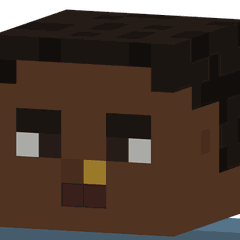
A nose stud is a small jewel worn through a piercing in the side of the nose. Nose piercing has a long history in many parts of the world, including South Asia, Africa, the Middle East and South America, and today nose studs are everyday jewelry for people of many backgrounds. In South Asia the nose pin has deep roots: in South India it is called a mookuthi, and in some communities it has marked coming of age or marriage. Which side is pierced varies by region.
In Scan2Skin 3D: the "Nose stud" stamp in the pixel editor. The editor is Pro in the apps and free on this website.
A patka is a smaller head covering tied over a topknot of uncut hair. Many Sikh boys wear one before they are able to tie a full turban themselves, and Sikh athletes often choose it because it is lighter than a turban. UK equality guidance describes it as a smaller version of the turban, and like the turban it reflects the Sikh practice of keeping hair uncut and covered.
In Scan2Skin 3D: "Patka" under "A head covering?"; choose the top knot (no or yes). Its colors start from the photos and can be changed.
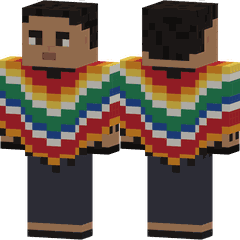
A poncho is a loose, cape-like outer garment that slips over the head, woven in many parts of South America. Mapuche weavers of present-day Chile and Argentina are credited with popularizing it in the 1600s as practical wear for riding, often weaving each poncho in one piece on an upright loom. In the Andes, Quechua and Aymara peoples weave their own versions, for example from alpaca wool in colorful stripes. Patterns vary by community, and some carry special meaning for their makers.
In Scan2Skin 3D: "Poncho" under "What are you wearing?". Its colors start from the photos and can be changed. See it on a free skin.
Sources: Mapuche Poncho from Chile, The George Washington University Museum and The Textile Museum; Poncho, T92.0262, Textile Museum of Canada; Poncho, Saint Louis Art Museum. Read October 12, 2026.
Q
Qipao
GarmentAlso called cheongsam
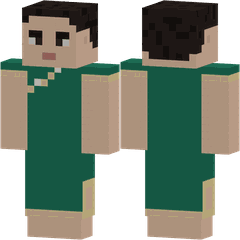
The qipao (its Mandarin name), also called the cheongsam (its Cantonese name), is a close-fitting Chinese dress with a high stand-up collar, an opening down one side fastened with knotted cloth buttons, and often slits at the sides. The style became popular in the 1920s as women in China took a larger role in public life, and tailors who moved from Shanghai to Hong Kong helped shape it. Once everyday wear, it is now worn mostly for special occasions.
In Scan2Skin 3D: "Qipao" under "What are you wearing?". Its colors start from the photos and can be changed. See it on a free skin.
GarmentAlso called shalwar kameez, Punjabi suit, churidar kameez
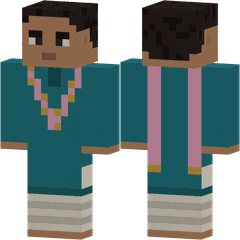
A salwar kameez pairs a long tunic, the kameez, with trousers called salwar that are wide at the waist and gathered at the ankle. A churidar is a slimmer, close-fitting style of trouser worn the same way. Women often add a dupatta, a long light scarf. Worn by women and also by men, it is everyday and festive dress across South Asia, especially in Pakistan and India, and in South Asian communities around the world.
In Scan2Skin 3D: "Kurta with dupatta" under "What are you wearing?"; choose the dupatta (across the chest or over both shoulders), side (left shoulder or right shoulder), gold (flat or metallic). Its colors start from the photos and can be changed. See it on a free skin.
Sources: Salwar, Impart Encyclopedia of Art (Museum of Art & Photography, Bengaluru); Shalwar, Encyclopaedia Britannica; Ladies kameez and churidar, The Harris (Harris Museum, Preston, UK). Read October 12, 2026.
Sari
GarmentAlso called saree
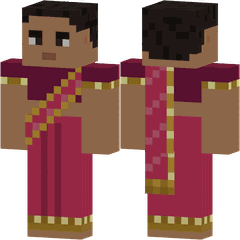
A sari is a long, unstitched length of cloth, usually five to seven yards, wrapped around the body over a fitted blouse and a petticoat. Women of many communities across the Indian subcontinent wear it, and draping styles differ from region to region; in the popular Nivi drape, the decorated end, called the pallu, falls over the left shoulder. Saris range from everyday cotton to silk with borders worked in zari, a gold-wrapped thread, often saved for special occasions.
In Scan2Skin 3D: "Sari" under "What are you wearing?"; choose the side (left shoulder or right shoulder), gold (flat or metallic). Its colors start from the photos and can be changed. See it on a free skin.
GarmentAlso called lungi, mundu, longyi, macawiis, ie lavalava, sulu
A sarong is a length of cloth wrapped around the waist like a skirt, worn by men and women in many parts of the world. The Malay word sarung means "sheath," and today it can describe almost any wrapped skirt. Related garments include the lungi and mundu of South Asia, the longyi of Myanmar, the macawiis of the Horn of Africa, the ie lavalava of Samoa and the sulu of Fiji, and similar cloths are worn in the Arabian Peninsula. Patterns range from simple checks to batik prints.
In Scan2Skin 3D: "Lungi or sarong" under "What are you wearing?"; choose the style (check (lungi) or batik (sarong)). Its colors start from the photos and can be changed.
A sash is a wide band of fabric worn diagonally across the body, from one shoulder to the opposite hip. In many countries the highest grade of an order of chivalry or merit, often called the Grand Cross, is worn on a sash from the right shoulder to the left hip. In Peru, the president wears a sash bearing the national coat of arms as a symbol of the office. Beauty pageant winners wear a lettered sash naming their title, a custom at Miss America by the 1940s.
In Scan2Skin 3D: "A sash" under "What are you wearing?"; choose the style (pageant or formal), side (right shoulder or left shoulder), gold (flat or metallic). Its colors start from the photos and can be changed.
Head coveringAlso called wide-brimmed hat, straw hat
A wide-brimmed sun hat has a brim that goes all the way around, shading the face, the ears and the back of the neck. Woven straw hats are made and worn in many countries, and some weaving traditions are treasured heritage, such as Ecuador's toquilla straw hats, whose craft is recognized by UNESCO. Health experts note that the weave matters: straw with gaps lets sunlight through, so a tightly woven hat gives better protection.
In Scan2Skin 3D: "Sun hat" under "A head covering?"; choose the brim shadow (on or off). Its colors start from the photos and can be changed. See it on a free skin.
Sunglasses are tinted glasses that cut glare and protect the eyes from sunlight. Long before modern lenses, Inuit made snow goggles of bone, ivory, antler or wood with narrow slits, to prevent painful snow blindness on bright spring ice. Cheap, mass-produced sunglasses went on sale at beaches in the United States in 1929 and soon became a fashion staple. Eye doctors advise choosing a pair labeled as blocking 100% of UV light, because a darker tint does not by itself mean more protection.
In Scan2Skin 3D: the "Sunglasses" stamp in the pixel editor in 2 styles (large or small), flat or in 3D on the outer layer. The editor is Pro in the apps and free on this website.
Thanaka is a pale yellow paste made by grinding the bark and wood of certain trees, such as the wood apple, with a little water on a flat stone. In Myanmar many women and children, and some men, wear it on the cheeks, nose and forehead, as a simple patch or in patterns such as circles and leaves. It cools the skin, helps protect it from the sun and is used as a cosmetic. Temple murals at Bagan show it in use about a thousand years ago.
In Scan2Skin 3D: the "Thanaka" stamp in the pixel editor in 2 styles (small or large). The editor is Pro in the apps and free on this website.
GarmentAlso called thawb, dishdasha, kandura, kandora
The thobe is a long, loose robe worn by men across the Arabian Peninsula and in other parts of the Arab world. Its name changes with the country: thobe is used in Saudi Arabia, Qatar and Bahrain, dishdasha in Kuwait and Oman, and kandura in the United Arab Emirates. White is the classic color, with darker shades often worn in winter. Details such as the collar, cuffs and neck tassel differ from country to country, and the robe is both everyday and formal wear.
In Scan2Skin 3D: "Thobe" under "What are you wearing?". Its colors start from the photos and can be changed. See it on a free skin.
A tilak, or tilaka, is a mark worn on the forehead in Hindu practice, made with materials such as sandalwood paste, sacred ash, clay, turmeric or red kumkum powder. Its shape often shows which tradition the wearer follows: many devotees of Vishnu wear vertical lines, while many devotees of Shiva wear horizontal ones, and forms vary widely. Men and women may wear it every day, during worship, or for festivals and temple visits, and it is sometimes applied as a blessing.
In Scan2Skin 3D: the "Tilak" stamp in the pixel editor in 2 styles (two lines and a dot or one line). The editor is Pro in the apps and free on this website.
Sources: Tilak, Encyclopaedia Britannica; 5 things to know about tilak, Hindu American Foundation; Bindis, Pitt Rivers Museum, University of Oxford (Body Arts). Read October 12, 2026.
Turban
Head coveringAlso called dastar (Sikh), pagri, pag
A turban is a long cloth wound around the head, sometimes over a small cap. Turbans come in many styles and are worn across Asia and Africa by people of many faiths: they are common among Muslim men, and Tuareg men of the Sahara wrap indigo cloth as turbans against the harsh desert. For Sikhs, the turban, or dastar, covers uncut hair and is a central part of Sikh identity; it is required for initiated (Amritdhari) Sikhs and is worn by men and by some women.
In Scan2Skin 3D: "Turban" under "A head covering?"; choose the front point (yes or no), under-band (no or yes). Its colors start from the photos and can be changed. See it on a free skin.
Make a skin from photos, then choose a garment, shoes or a head covering under the finished skin; jewelry and markings are stamps in the pixel editor. Or start from one of the free example skins.
Make a skin now, in your browser: five guided photos with the camera, or photos already taken. Nothing is
uploaded. The Scan2Skin 3D app for iPhone and Android adds scan yourself, HD skins and Pro.